
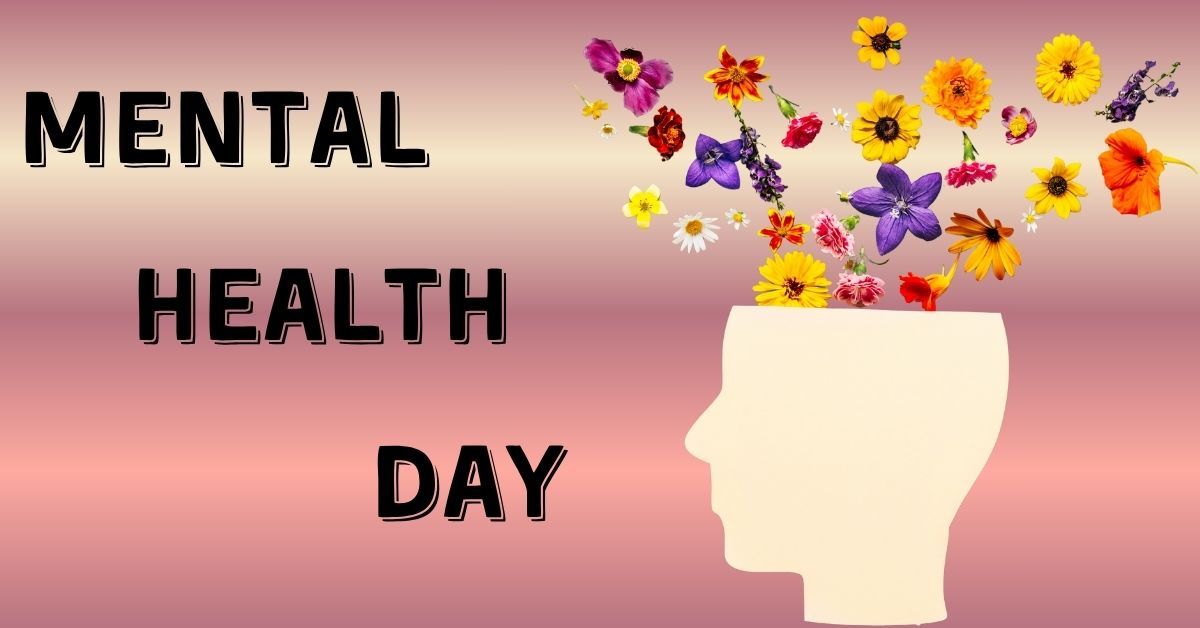
We all have days when everything seems overwhelming. Even simple things, like replying to a text, opening your laptop, or getting dressed, suddenly seem impossible. Your mind won’t stop spinning, your body feels heavy, and deep down you know you’re running on fumes. But you’ll keep moving forward, telling yourself, “Just handle it.”
Here’s the thing: you don’t need to push harder; you need to pause. Taking a mental health day isn’t laziness or weakness. It’s about listening when your mind and body whisper, “I need a break,” before they have to shout.
In a world that celebrates hustle and productivity, choosing rest can seem rebellious. But sometimes, rebellion is exactly what your sanity needs. One calm day can be more beneficial to you than a dozen restless days.
If you’re operating on autopilot these days, this is your cue. In this article, we’ll discuss 7 clear signs that you desperately need a mental health day and how to spend it for maximum benefit.
Seven Clear Signs You Need a Mental Health Day
1. You constantly feel drained, no matter how much you sleep
Do you know that feeling when you wake up tired even after eight hours of sleep? When even a weekend of “rest” can’t touch the fatigue that’s ingrained in your bones? That isn’t normal fatigue; it’s emotional exhaustion. When your mind is stressed for too long, rest stops working.

A mental health day gives your body and mind a chance to truly calm down. It’s like hitting “pause” on the chaos so your nervous system can finally breathe. Suddenly, even the smallest things, like eating breakfast slowly, sitting quietly, and feeling the morning breeze, start to feel soothing again.
Instead of forcing yourself through another caffeine-fueled day, let yourself just be. Sleep in late. Stretch. Read something light. Unplug completely. Your body isn’t deceiving you by being tired; it’s communicating that it’s had enough.
Pro tip: Start your day by saying, “Today, I choose peace.” You’ll be surprised how different life will feel when you stop chasing productivity and start protecting your presence.
2. You’re snapping at everyone (even when they don’t deserve it)
Have you ever noticed that everything seems to bother you these days? A slow email response, outside noise, that person who means well but asks the wrong question at the wrong time. When you’re tired, patience is the first thing to run out, not because you’re a bad person, but because your brain is tired of handling everything.
Irritability is one of the clearest signs that you need a mental health day. It’s your brain waving a little white flag saying, “Please stop, I need a breather.” You may not even realize how irritable you have become until you see the look on someone’s face after you snap.
A day off gives you a chance to breathe again, to reset before reacting. It’s a chance to sit quietly, journal, or simply live without demands or interactions.
Remember: Being snappy isn’t who you are; it’s a sign you’re running on fumes. A mental wellness day alone can reduce your stress and help you reconnect with the calmer version of yourself that is still within you, waiting to come back.
3. You’re struggling to focus or make simple decisions
You sit down to work, stare at the screen, and… nothing. Words blur, tasks pile up, and suddenly, even responding to an email feels like climbing a mountain. You read the same line five times and still can’t remember what it said. Does this sound familiar? It’s your brain’s way of saying it’s overloaded.
When your mind is too entangled for too long, even simple choices, like what to eat, where to start, and how to prioritize, can seem impossible. In such a situation, taking a mental health day is not only helpful; it is also necessary.
Taking a break gives your thoughts some breathing room. When the pressure subsides, clarity naturally returns. Spend your day doing things that calm your nervous system, cooking slowly, sitting outside, and listening to music that feels like a hug.
Try this: Before your mental wellness day, gently say to yourself, “My mind will rest today.” It’s amazing how clear things become once you stop pressuring yourself and allow yourself to just pause.
4. You’ve lost interest in things you usually enjoy
Lately, the things that used to make you happy just… don’t. Your favorite shows seem boring to you, your hobbies feel like work to you, and even spending time with the people you love seems to drain you of more energy than it gives you. You keep waiting for the spark to come back, but all you get is a dull, heavy feeling.
That’s not you being ungrateful; it’s a sign of emotional burnout. When your mind is constantly trying to survive, it can’t access joy. Taking a mental wellness day helps you reconnect with the part of you that still wants to feel alive again.
Use the day to do something light and stress-free. Paint, cook, take a slow walk, or just sit in the sun and do nothing. Let your senses wake up again: the smell of coffee, the warmth of light, the sound of peace.
Pro tip: Don’t use your mental health day to “be productive.” It’s not about getting things done; it’s about catching your breath. Allow yourself to enjoy doing nothing.
5. You feel detached or numb
Sometimes, it’s not stress or sadness that overwhelms you, but rather a sense of emptiness. You’re not completely unhappy, but you’re not happy either. You just feel…flat. You go through your day as if you were watching someone else live it, nodding, smiling, doing what is expected, but not really feeling anything.
Feeling numb doesn’t mean you don’t care. It’s your mind protecting itself from extreme pressure. When you’re under pressure for too long, shutting yourself down becomes a form of survival.
A mental health day allows you to stop pretending you’re okay. You can cry, sleep, or just sit quietly, and that’s perfectly okay. Sometimes healing looks like stillness.
Instead of filling your day with distractions, try simply being present with yourself. Journal. Take a bath. Breathe. Let whatever comes, come.
You’re not broken, you’re tired. And a mental health day is your chance to gently remind yourself that you’re still human underneath all the coping.
6. You’ve been neglecting basic self-care
You know you’re stressed out when even the basics start slipping away. You skip breakfast, forget to drink water, and tell yourself you’ll shower later, but later never comes. Your laundry piles up, meals come from takeout boxes, and you rely on caffeine and willpower. This isn’t laziness. That is a sign that your mind and body are running on empty.
When you’re burned out, self-care can feel like just another task on an endless to-do list. That’s exactly when you need a mental wellness day the most. It’s your chance to slow down and reset those small, gentle rhythms that keep you grounded.
Use this day to care for yourself, just as you would for a loved one: fresh sheets, eating slowly, taking a quiet walk, or taking a long bath while listening to soft music.
Tip: On your mental health day, focus on comfort, not achievement. Rest. Nourish. Breathe. Sometimes, the most relieving thing you can do is start showing up for yourself again.
7. You keep telling yourself, “I just need to get through this week.”
How many times have you said that lately? “I just need to get through this week.” Then another week comes, and you repeat it again, until it becomes a quiet mantra for survival. You keep waiting for the right time to rest, but it never comes.
That’s because when you’re constantly busy with work, there’s always another deadline, another message, another problem to solve. You tell yourself you’ll take a break “after things calm down,” but life never gives you that moment; you have to choose it.
A mental health day is your way of saying, “Enough is enough. My well-being matters too.” It’s not a reward for finishing everything; it’s a reset that helps you keep moving forward without breaking down.
Take that day. Turn off your notifications. Break out of the cycle of urgency. Rest isn’t something you earn; it’s essential to being human.
Pro tip: Your work, your people, and your responsibilities – they’ll all still be there tomorrow. But you deserve to arrive tomorrow a little more whole.
How to Spend Your Mental Health Day Intentionally
A mental health day doesn’t mean checking boxes or fixing everything that seems broken; it means listening to what you really need. Some days, this might mean staying in bed a little longer. Other days, it might mean getting outside and remembering the feeling of fresh air.
Start by asking yourself: What does my mind need most right now? Maybe peace. Maybe laughter. Maybe just a place without pressure.
Here are a few gentle ideas:
- Unplug your phone completely. Even if it’s just for a few hours, put it away.
- Move your body in a way that feels good to you. Stretch, dance, or take a slow walk.
- Reconnect with small joys. Your favorite food. Music that soothes you.
- Reflect and re-ground yourself. Write a journal, meditate, or simply breathe peacefully.
The goal isn’t productivity; it’s presence. Your mental health day is an act of self-respect, a reminder that you have the opportunity to rest, recharge, and return to life feeling a little lighter.
Final Thoughts: Rest Isn’t a Luxury; it’s a Lifeline
We live in a world that rewards exhaustion, where being busy is considered a matter of honor. But constant effort without pause only leads to burnout, emptiness, and disconnection from oneself.
Taking a mental health day doesn’t mean running away from your life; it means maintaining it. It’s a small but powerful way of saying, “My health matters just as much as my work.”
So the next time your mind tells you you’re tired, listen. You don’t have to earn your rest. You just have to let it.
Because the truth is, the world doesn’t need you to be consistently productive. It needs you well.